Will geothermal energy find itself in hot water?
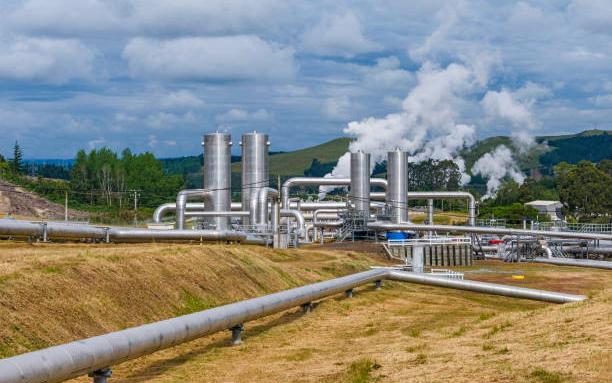

You’d be forgiven for missing the latest cab off the renewable energy rank, as the UK’s first geothermal plant was turned on last week In Cornwall. It will help generate electricity for 10,000 homes, but that’s not all; the geothermal ‘brine’ found deep underground is a sustainable form of lithium. It is forecast that the plant will be able to produce 10,000 tonnes of lithium carbonate per year by 2030, which would be enough to manufacture approximately 250,000 EV car batteries per year.
On the basis of these numbers, this could be the next great sub-terranean industry to take root in Cornwall. However, there are potential communications and political challenges lying in wait that could land geothermal’s hopes in hot water, if you’ll pardon the pun.
Low public awareness of what geothermal is and what the process involves is a double-edged sword; ne the one hand, unlike solar or wind there are no defined arguments for and against. On the other hand, lack of knowledge of what it is doesn’t create local or political enthusiasm for a wave of geothermal plants. That said, Small Modular Reactors (SMRs) have become something of a poster child in the nuclear sector despite them not being a widely proven technology. SMRs have benefited from consistent ministerial backing, and geothermal now needs the same.
Waiting in the wings is geothermal’s perhaps fiercest opponent - its technical similarity to fracking. While they are poles apart, in that one is renewable and the other is not, we have all seen what happens when misconceptions and misinformation take hold with these projects. Developing a communications and engagement strategy that both acknowledges this similarity but also clearly articulates the difference between the two is therefore critical.
As written elsewhere in this newsletter, water is in the spotlight at the moment thanks to the C4 docudrama Dirty Business. Cornwall Council’s Strategic Planning Committee refused permission for another geothermal plant near Camelford by a narrow margin over environmental impact, including potential harm to the River Camel, and this despite a recommendation for approval. Given the presence of lithium, sodium, phosphates and other elements, any leaks or direct release of geothermal wastewater could have dire consequences for local watercourses.
Politically, there seems to be central government support for geothermal; with DESNZ launching the ‘UK Geothermal Platform’ with the British Geological Survey. The potential for geothermal in the UK is regionally concentrated, with a handful of areas having high potential.
Local authorities having to make decisions about geothermal have precious few existing applications to use as a comparison and build up a knowledge base. This could make it easier for opponents to develop and refine one of the arguments mentioned earlier.
Unlike solar or wind, geothermal is technically complex. The potential benefits for the country, though, are two-fold. The first is that we take another step towards a diverse energy mix, using the heat of the earth. The second is the benefit to the UK EV battery sector, building on Cornwall’s mining heritage to create sustainable industries and the jobs and skills that come with it.
As with SMRs, perhaps it’s down to ministers to help shape the narrative. Geothermal could be a real success story for jobs and regional growth. The potential is clear, yet the geothermal sector should get in front of its comms challenges lest it find itself in even hotter water.
What to read next
Browse below for the latest news, insights and thought leadership from our team of experts
The art of the teal

Pay to stay: can England’s mayors follow Manchester’s lead and turn a ‘tourist tax’ into growth?
All change on local government reorganisation
From drought to disruption: Why adaptation matters now

Australia's AI chart crackdown signals a wider shift in trust and disclosure

From Waiting for Godot to winning trust: Communications lessons from IPEM 2026

Farage, Burnham, and the battle for authenticity
What Aristotle can tell us about corporate statements