Andy Burnham and the hurdles ahead
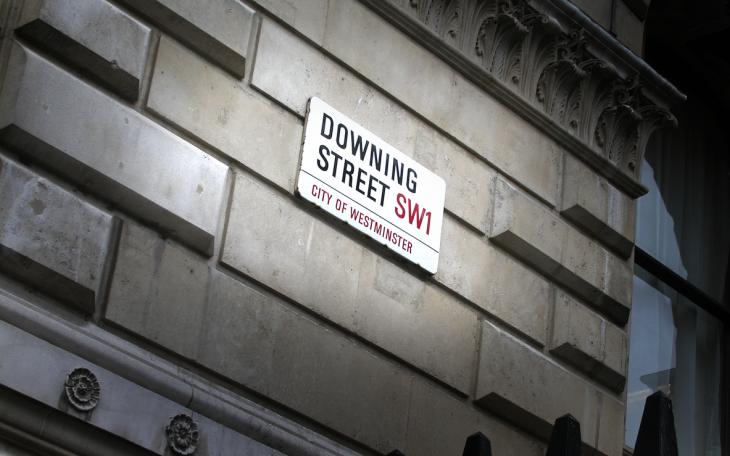

UK politics is now in a period of limbo until 18 June. For the next two weeks, Westminster has its eyes firmly fixed on Makerfield’s by-election – which is widely seen as a straight fight between Labour and Reform UK – to see whether Andy Burnham is elected to Parliament.
By-elections have always been hard to predict but should betting markets be accurate (Labour are currently odds-on to win), then recent press reports suggest that Burnham will seek to move quickly against Keir Starmer and seek to replace him “within weeks”.
Those press reports, most likely briefed by Team Burnham, may well reflect his intention. In reality, however, things might be less straightforward. After all, when it comes to leading the Labour Party and running the country, other people will get a say. These people include the current Prime Minister, the party’s key ‘power brokers’ on the NEC and trade unions and the party more broadly.
On Keir Starmer himself, there is a question of whether he resigns or invites a formal challenge and contests the leadership. There is a general feeling within Labour that Starmer would not contest a leadership challenge, but he has proven himself to be more stubborn than expected in recent weeks, so this is not guaranteed.
If he does resign, there is a question of what the timetable for his departure and a leadership contest looks like. The timescales for a contest will be determined by the NEC but could be heavily influenced by the current PM’s intentions. On this question, there would likely be two camps within Labour, which can be broadly defined as 1) ‘Andy by Conference’ i.e. a desire for the new leader installed by late September; and 2) ‘What’s the rush?’ i.e. a desire for the longer timescale towards the end of the year to ensure the transition is smoother.
In settling this question, there will be some factors at play. Firstly, there will be pressure to ensure an actual contest. Many within the Labour Party do not want an Andy Burnham coronation (Wes Streeting’s comments yesterday were a reflection of this). There would be a strong desire for different parts the party to be represented and, in particular, to ensure there is at least one female candidate in any leadership contest. A quick coronation would widely be considered to not be fair by most of the party.
Secondly, there is the issue of logistics. Labour leadership contests are typically far more bureaucratic than Conservative ones and require several administrative steps over the course of the nomination period (e.g. CLP meetings, trade union meetings), the hustings process, as well as the logistics of sending out ballot papers to 400,000 people. In theory, a leadership contest that begins in late June could be completed within three months ahead of Labour Party Conference on 27 September, but only just.
The third factor would be the sense of urgency across the party. While Andy Burnham would be keen to get into Number 10 as soon as possible, it’s not clear that the rest of Labour shares this urgency. After all, there is no major political or policy reason to change Prime Minister at this very moment, other than to improve Labour’s electoral prospects, and the next election is a while away anyway. Burnham has yet to make the case for the urgency of this change and he will, for instance, need to convince his own party officials and representatives to cancel their summer holiday plans to administer a leadership contest.
Burnham is a charismatic and popular politician within Labour and no doubt he will be making his case for urgent change in the coming weeks. Labour’s power brokers and party machinery, however, may have other ideas.
What to read next
Browse below for the latest news, insights and thought leadership from our team of experts
Britain’s weather obsession has just got serious

Should we be developing buildings for people or computers?
Rhetoric versus reality in today's politics
The high price of hyperbole

Planning policy update puts transport and community at the heart of good growth
The nuclear question facing the new government

Closed loops, open questions: Burnham’s data centre challenge

The S&P 500 has had an amazing quarter but is it a safe bet?