Back to school for Number 10 as Burnham’s autumn test begins
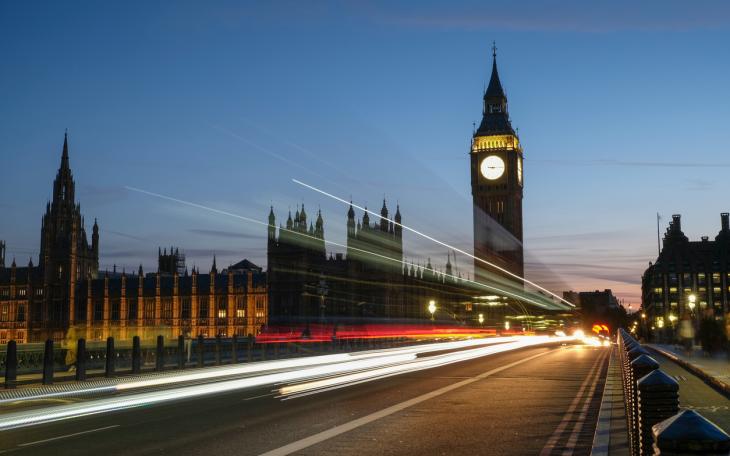

With the return of Parliament from summer recess this week, Prime Minister Andy Burnham faces the political equivalent of the first day of term. In his time since becoming Prime Minister unopposed in late July, Burnham has enjoyed somewhat of a honeymoon period of headline-grabbing announcements focused primarily on addressing the cost of living, delivering on his devolution agenda powered by the new Number 10 North unit, and laying the groundwork for future policy agendas to come.
Returning to Westminster after his summer on the road, Burnham faces something that he has found in limited supply so far: scrutiny. Burnham faces his first Prime Minister’s Questions later this week, after making his first speech at the despatch box on Tuesday. With the Budget announced for the end of October, and a raft of other political challenges including the prisoner early release scheme still to be addressed, the reality of running the country will soon become apparent to the new Prime Minister.
Over the coming months there are three questions worth watching: can he pass the fiscal test, can he continue to demonstrate the necessary political judgement that critics argued his predecessor lacked, and can he develop a communications style that works as effectively from the despatch box as it did from Manchester Town Hall?
The first challenge is the obvious one. Burnham and Chancellor John Healey have already confirmed that their first Budget will take place on 28 October. The politics are difficult enough. The economics are even harder. Burnham came into office promising a different approach to government, a renewed focus on the cost of living and a more active state. He has already moved quickly, announcing measures on energy bills, transport and business rates. The challenge now is explaining how it is all paid for.
The difficulty is that many of the constraints facing Burnham are the same constraints that frustrated his predecessor. Fiscal rules remain in place. Growth remains elusive. Borrowing costs remain elevated, and the UK economy remains painfully exposed to shocks from abroad. And after repeatedly insisting that government can do more, Burnham now faces the uncomfortable reality that governing is often about choosing what not to do rather than what to do.
That makes October's Budget more than a fiscal event; it is the first real test of whether Burnham can reconcile his political instincts with the economic realities of office.
On the question of political judgement, the Prime Minister’s handling of the pushback against the early release scheme has been indicative of his approach to politics and what to expect from him moving forward. Having initially paused the policy for review, the government has now opted to proceed with a revised version from October, excluding those convicted of unlawful killing from an early release. Burnham’s instinct was not to defend an inherited policy but to demonstrate that he had listened to public concerns and moved to address them accordingly.
While this may prove smart politics in some cases, it also carries risks. Governments that frequently revisit their own decisions can quickly acquire a reputation for tactical manoeuvring rather than strategic clarity.
On the final issue of communication style, one of Burnham’s often cited strengths has been his affable personal style and ability to connect to audiences beyond Westminster. As Mayor of Greater Manchester, he excelled when presenting himself as an outsider and challenger to Westminster. As Prime Minister he will have no such luxury.
Over the coming months, attention will inevitably turn to his performances in the Commons. His first appearances have shown flashes of the direct, conversational style that made him popular in Manchester. But governing from the despatch box is different. Prime Ministers are expected not just to communicate frustration with the status quo but to embody responsibility for it.
Burnham's political appeal has been built around authenticity and accessibility. The question now is whether he can combine those qualities with the discipline, consistency and message control required of a Prime Minister facing a difficult Budget, contentious policy decisions and an emboldened opposition.
The return of Parliament marks the start of Burnham's first proper governing season. With attention now turning to the day-to-day business of governing, we will soon know a lot more about whether Brand Burnham and ‘Manchesterism’ can survive contact with Westminster.
What to read next
Browse below for the latest news, insights and thought leadership from our team of experts
It’s about housing, stupid

Budget 2026: What’s in store for developers?
Delegation Nation

Pacific Pre-COP31: Testing the waters ahead of Turkey

Vibes win the click. Only substance wins the trust.

How communications drives deal outcomes

The missing sector in Britain's growth strategy
Reframing Britain’s Brexit debate