Pacific Pre-COP31: Testing the waters ahead of Turkey

Last week, around 4,000 delegates, including climate ministers, officials and leaders, gathered amid the turquoise waters of Fiji and Tuvalu for the Pacific Pre-COP Summit. The precursor to COP is usually a technical and bureaucratic gathering rather than a summit for presidents and prime ministers, but COP co-host, Australia, sought to use this Pacific meeting to bring leaders to one of the world’s most climate-exposed regions and impress on them the need to turn climate commitments into progress.
Much as COP in Brazil shone a light on Indigenous communities and the importance of the Amazon and nature, meeting in Fiji and Tuvalu put Pacific nations at the centre of the climate agenda. These are places on the front line of climate change, highly exposed to rising seas and extreme weather. By the summit’s close, Pacific leaders had ensured that climate finance, adaptation, oceans and the needs of island nations were prominent priorities heading into COP31 this November.
For the Pacific Islands, their priorities align with those of many other countries, but the urgency is heightened and survival is at stake. The summit reinforced calls to keep the 1.5°C goal within reach, make climate finance faster and easier to access, accelerate adaptation and loss-and-damage support, and give the ocean-climate relationship greater prominence.
Climate finance was arguably the most prominent theme, with Pacific island nations arguing that existing climate finance mechanisms remain difficult to access and insufficiently targeted at countries already experiencing severe climate impacts. They called for more predictable, accessible and implementation-focused funding, particularly for adaptation and resilience projects. Australia’s Access to Finance Statement and Action Plan was one practical response, intended to reduce the barriers that delay funding reaching vulnerable communities.
Meanwhile, Pacific leaders resisted reopening the COP28 agreement to transition away from fossil fuels, arguing that the focus should now be on implementation and accountability. The issue emerged as an early indicator of tensions likely to resurface at COP31, particularly between countries seeking stronger language on fossil fuels and those prioritising energy security or domestic fossil fuel production.
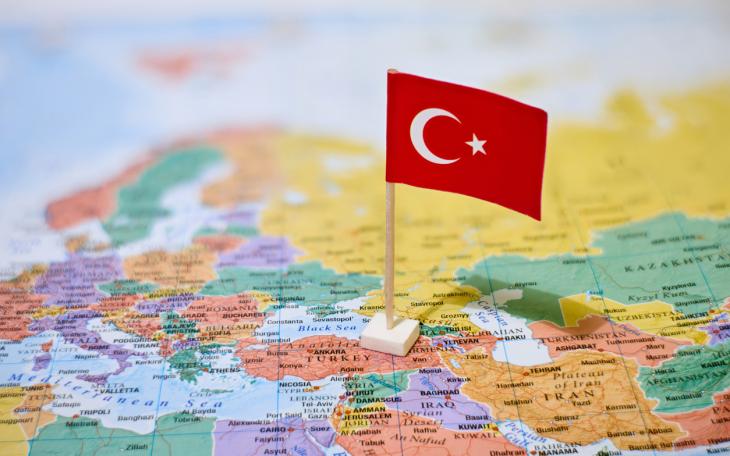
Two further themes gained prominence. The World Health Organization framed climate change as an increasingly urgent public-health issue, while Tuvalu called for climate finance to be treated as an investment in people’s survival and health rather than simply as environmental funding. Pacific leaders also elevated the ocean-climate nexus, welcoming Turkey’s commitment to work towards an Antalya Ocean Declaration at COP31 and arguing that oceans should no longer be treated as a secondary climate issue.
Headlines about a thin international guest list did raise questions about whether the summit would deliver its intended impact, with only two non-Pacific leaders present, from Mauritius and Timor-Leste. It was clearly a tough sell to bring world leaders to the middle of the Pacific when they are due to meet again in Turkey just a few weeks later, and when there are competing geopolitical and domestic pressures.
But ultimately, the Pacific Pre-COP showed that influence is not measured by the number of leaders in the room, but by whether the priorities of those most exposed to climate change shape the decisions that follow. The test in Turkey will be whether Pacific demands for accessible finance, a credible fossil fuel transition and stronger adaptation survive the negotiating process and emerge as action rather than another set of promises.
What to read next
Browse below for the latest news, insights and thought leadership from our team of experts
Reframing Britain’s Brexit debate
The missing sector in Britain's growth strategy

How communications drives deal outcomes

Vibes win the click. Only substance wins the trust.

Protecting trust in an age of AI and impersonation

A recovery measured in discipline, not exuberance: Views from the property sector’s EXPO REAL
An Iron Dome and an Iron Lady: Reflections on the Conservative Party Conference
Going for the Grid: Burnham tries to take back control