Reframing Britain’s Brexit debate
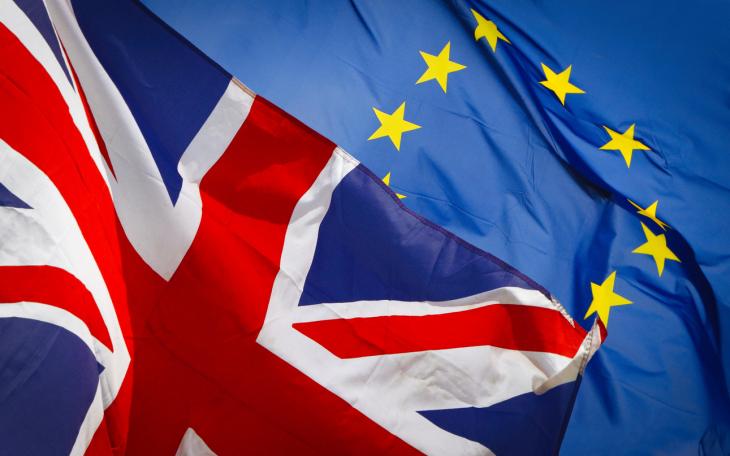

So, Andy Burnham has gone where his predecessor did not dare to tread and reopened the debate on the UK’s relationship with Europe. Whether this proves courageous or foolhardy will depend on whether he can persuade the electorate that he is addressing Britain’s present difficulties rather than reopening old wounds.
His speech at the Labour Conference, his appearance on a well-known podcast, and his statement to the Commons have made it clear, in customary Burnham fashion, what his position is and how he believes the conversation should progress. His argument is that weak growth, deteriorating public services, political division, and national security are inextricably bound to the Brexit question, and addressing them requires closer collaboration with our neighbours.
“Sticking with the status quo is not good enough for Britain,” he told MPs ahead of the UK-EU summit on 20 November. Having said Brexit had done more harm than good, Burnham is challenging the assumption that respecting the referendum requires accepting its consequences indefinitely. His attack on Badenoch seeks to tie her to those consequences in government and portray her defence of the present arrangements as defeatism.
Burnham’s argument that closer cooperation with Europe will bring positive economic benefits for the UK aligns with the argument from most economists. While there may be political drawbacks, stronger growth would support public services; easier trade could help businesses and ease pressure on food prices; energy cooperation could improve security of supply and provide future resilience.
In the short term, the IMF offered some welcome news on Tuesday for the Prime Minister and his Chancellor John Healey ahead of the autumn Budget, upgrading UK growth and praising efforts to reduce the deficit. Chief economist Silvana Tenreyro urged Britain to “stay the course”. However, with growth forecast to slow to 1.2% in 2027, as higher energy prices and long-term interest rates weigh on consumption and investment, the encouraging economic assessment comes with a warning about the constraints on recovery.
Of course, the Europe conversation will continue well beyond the Budget. Burnham’s communications skills arguably make him better equipped than most to hold this delicate conversation with the public. He will need to translate policy proposals to the shared experience and be equally candid about the compromises involved.
He is attempting to turn Europe from a source of division into an instrument of national renewal, strengthening our economy and security in the face of growing international threats. Next month’s UK-EU summit will test whether he can give that argument substance. He is taking a risk by opening the conversation early. His opportunity is to frame it on his terms: an honest account of how Britain can secure greater prosperity and protection in a world it cannot control alone.
What to read next
Browse below for the latest news, insights and thought leadership from our team of experts

The missing sector in Britain's growth strategy

Pacific Pre-COP31: Testing the waters ahead of Turkey

How communications drives deal outcomes

Vibes win the click. Only substance wins the trust.

Protecting trust in an age of AI and impersonation

A recovery measured in discipline, not exuberance: Views from the property sector’s EXPO REAL
An Iron Dome and an Iron Lady: Reflections on the Conservative Party Conference

Going for the Grid: Burnham tries to take back control