The electoral tide is high – rhetoric and reality on the road to 7 May
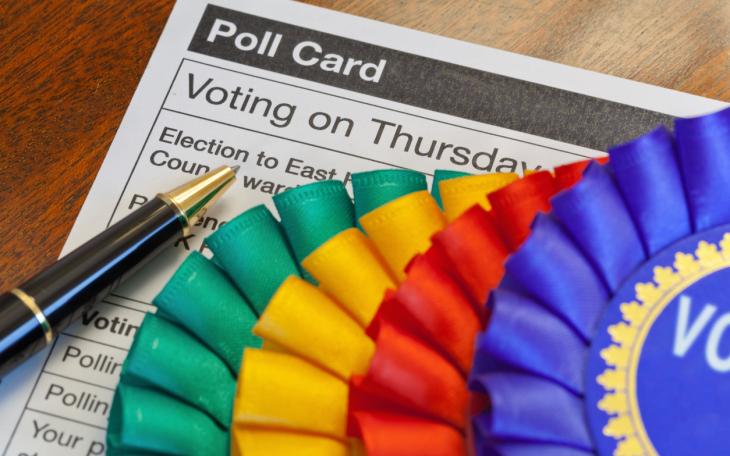

The month of March – traditionally, in like a lion and out like a lamb - heralds the coming of spring, the clocks going forward, and spring tides. For the more politically minded, it also marks the firing of the starting pistol towards the local elections on 7 May. The electoral tide is certainly rising.
You have probably read articles most years telling you how this year’s elections are a bumper edition and of great significance to the government of the day - and who am I to break that trend.
We find ourselves two years into a Labour government with a huge parliamentary majority, yet one that is increasingly nervous of the results it will wake up to on 8 May. This is with good reason: Labour is defending 2,196, or 44%, of the 5,014 English council seats up for election. It also faces being out of power in Wales for the first time since the creation of the Senedd in 1999, and losing ground to the SNP (and potentially Reform UK) in Scotland.
Launching Labour’s local elections campaign with the slogan ‘Pride in Britain’, the Prime Minister described the elections as taking place against an uncertain backdrop. He mentioned how the wars in Ukraine and Iran were causing concern about the impact on household bills; and took aim at what the Conservatives, Reform UK and the Green Party’s responses to the Iran war would have been.
Meanwhile, Reform UK launched its campaign in Sunderland, with Nigel Farage portraying 7 May as a referendum on the Prime Minister. Mr. Farage also stated his Party’s pledge to “keep council tax rises to a minimum”. With the party defending just 78 seats, this is the freest of free hits for the Reform.
Still the launches kept coming: Ed Davey said that the Liberal Democrats will improve lives because they care about “the people we serve, the communities we live in and the country we love”. Kemi Badenoch said that the Conservatives are “the only Party with a plan”, describing her Party as one that “can actually fix things”.
While these overarching themes will be responsible for the falling and rising of many in local government (spare a thought for the hardworking councillors of all political colours who will be swept away by this electoral tide), once these councillors take up their seats they’ll be faced with a different reality. All the complicated issues that local authorities are responsible for (adult social care, special educational needs (SEN) provision, local plans) suddenly emerge like political toadstools. The bin collections, pothole repair and scrutiny committees that form the backbone of local council work are a million miles away from the “referendum on the Prime Minister”.
There is also the legal requirement to set a balanced budget; and to make decisions about how best to use Community Infrastructure Levy (CIL) monies and s106 contributions. There are full council meetings, which can be used to submit motions on a number of local and national issues, and of course for political grandstanding.
As I found following my election in 2023, the council email inbox starts to move from congratulations to the bread and butter of local community casework. There will be briefings about how the council is run, how various committees work; and within a few days there’ll be a committee meeting.
These new and returning councillors will have to make decisions about planning applications, local plans, and set policy on a plethora of other issues. The rhetoric used nationally will set the conditions under which policy will be made, but it won’t be rewritten overnight.
For the Labour government, these elections will be read as a mid-term evaluation. For local councils, the Scottish Parliament and the Senedd, they will be on the frontline in shaping the new political climate in which local policies and public services will be formed.
If there is a crumb of comfort for the Labour government, it is that two years into the last Labour government, Labour lost 1,150 seats in the 1999 local elections. Famously though, William Hague did not become Prime Minister in 2001. However, far from partying like its 1999, there are many more political parties capable of winning seats and controlling councils. Fresh from their victory in the Gorton and Denton by-election, the Greens could be kingmakers in Wales and will be looking to do well in English councils.
The journey to 7 May is underway – and SEC Newgate will be bringing the local elections further into focus in our ‘Politics and Planning newsletter’ every other Wednesday.
What to read next
Browse below for the latest news, insights and thought leadership from our team of experts

Protecting trust in an age of AI and impersonation

A recovery measured in discipline, not exuberance: Views from the property sector’s EXPO REAL
An Iron Dome and an Iron Lady: Reflections on the Conservative Party Conference
Going for the Grid: Burnham tries to take back control
Your First Home: a helping hand for buyers or a boost for housebuilders?

Solar and Storage Live: The shift from tick-box consultation to meaningful engagement
Burnham goes big in first conference speech, but real test still lies ahead at the Budget

Why dark social matters more than ever