MIPIM – Global problems, local solutions!
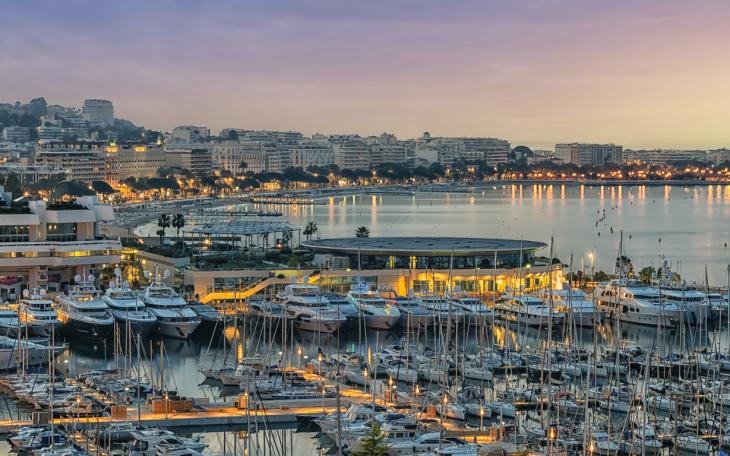

The global real estate community gathered in Cannes last week for MIPIM 2026, and we at SEC Newgate were on the ground inside the event and in the bars, cafes and event rooms where the discussions were taking place.
I’ve attended MIPIM for around a quarter of a century now and with a few gaps, this was approximately my twentieth visit. It is interesting in that time to see how the event has grown, matured and responded – both to the demands of the property market but also to the scrutiny, expectations and standards of a world that is very different to the one at the end of the 20th century. The financial crash, Covid pandemic, a proliferation of wars, the rise of ESG and perhaps a more nuanced awareness of natural and climate issues has delivered an environment in which people tend to think about their actions and words before they deliver them rather than afterwards – true not just of the property sector, but visibly apparent at an event on such a scale.
There are now more attendees from more countries around the world and although the UK delegation is still the largest, it comprises a significantly smaller proportion of the overall presence. The spread of sectors represented has also grown – it is no longer just property developers but also those involved in energy, infrastructure, transport, waste, data centres and supported by a vast network of investors, lawyers, banks, architects and consultants. Where once you could shake on a deal in Cannes, you can now shake on a deal and assemble your entire project team without leaving town.
Politics dominated many of my discussions, both from the context of the economic ramifications of political actions (at home and abroad) and from the housing delivery context and how politicians at local and national levels can help to move things along a little more quickly – or at the very least stop interfering and deliberately slowing them down. From the planning system to safety regulations and Gateway, from changes to employment and training through to infrastructure contributions and blockages, through to the interplay between the environment and property development. The discussion last year about whether 1.5million homes would be delivered has moved on to how we can deliver anything at all. The global political backdrop of war, oil, inflation and interest rates provided a sobering context but also a sense that we can’t influence or change global events, we can adapt to survive and deliver – heralding a much more pragmatic dialogue about what each of us can do to deliver the best outcomes from within our own area of control.
The domestic political agenda fostered discussions riddled with doubts, questions and uncertainty – would the Prime Minister still be there in two months, who would replace him, are Reform on a path to power, where have the Greens come from and where are they going, what about the other parties in the middle, can anyone predict what will happen in the May elections, and so on.
However, the really promising trend with local politics is a growing presence of UK councils attending the event and I would put this down largely to devolution. My early days at MIPIM involved meetings with lots of local authorities; but increased scrutiny and media sensationalism about council expenditure, socialising between public and private sectors and the sustainable optics of attending an overseas conference succeeded in driving many of those councils away from the event. But I sense their numbers are growing again and the growth of combined authorities and regional strategic mayors is providing a platform both in the sense of a larger collective being able to communicate a more powerful message (Greater Manchester is a more compelling international offer than Tameside – no offence to Tameside) and attendance being a collective endeavour; so a credible Liverpool City Region presence does not require all six council leaders but two or three can represent and communicate for the whole.
This is my biggest and brightest takeaway of MIPIM 2026 and as we see the next steps of local government reorganisation unfold, we will see more combined authorities, more mayors and a lot more opportunity for them to be present at MIPIM and engage with the global market around investment, collaboration, and delivery. Cities and regions from around the world are present, so we either join them or we miss out. All of those that attended this year to represent places like Manchester, Belfast, Cardiff, Glasgow, Liverpool, Birmingham, Yorkshire and others should be saluted – they set the path that others need to follow.
The week was undoubtedly more successful with a few days of sun and amidst the global gloom, domestic delays, and political paralysis, we all left feeling a little bit more optimistic than when we arrived. The roadmap to housing and real estate delivery moves onto UKREiiF in Leeds in May and our team will be back in force. If you need any support or advice on making the most of UKREiiF or MIPIM 2027, we are happy to discuss. If you haven’t attended MIPIM yet are thinking about a visit, especially if you are in a local authority, we’ll share the full story on what to expect and how to maximise both your VFM and your ROI while making it a worthwhile trip.
My final comment is a gripe – while MIPIM has changed beyond recognition during my time, and the gender mix has shifted massively for the better, the expected norm of gender-balanced event panels has quietly been dropped. Not unique to MIPIM but more visible and whether it is down to complacency, laziness or a sense that global politics now means we don’t need to talk about DEI or ESG anymore, we need our industry to sort this out. If you see an all-male panel, help the organisers to understand where they have gone wrong, offer them some suggestions for panellists or if necessary, skip their event and move onto the next one. The real estate industry is exciting and ambitious as it ever was and the 21st century offers amazing opportunities, solutions and outcomes – but only if we don’t start behaving like it is the 20th century again!
What to read next
Browse below for the latest news, insights and thought leadership from our team of experts

Going for the Grid: Burnham tries to take back control

Your First Home: a helping hand for buyers or a boost for housebuilders?

Solar and Storage Live: The shift from tick-box consultation to meaningful engagement

Burnham goes big in first conference speech, but real test still lies ahead at the Budget

Why dark social matters more than ever

Corporate affairs and navigating dystopia

The new reputation battlefield: Navigating risk in a fragmented media landscape

Investors ponder what's next in property