The nuclear question facing the new government
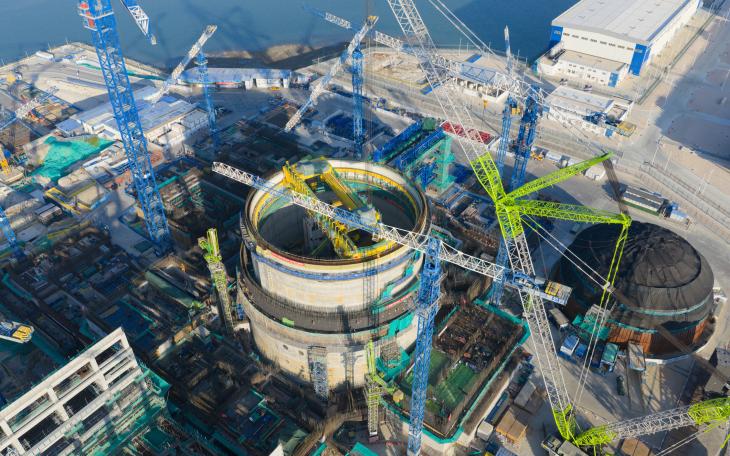

The UK Government recently announced its commitment to expanding its fleet of nuclear-powered submarines, a move that signals Prime Minister Andy Burnham’s intention to bolster British national security in an increasingly uncertain world. The decision reflects a clear recognition that strategic resilience requires long-term planning, sovereign capability, and critical infrastructure that can withstand global instability. People working in the civil nuclear energy sector will be hoping that the progress under the previous Prime Minister is maintained too.
Against the backdrop of Reform UK’s advances in May’s local elections and Burnham’s appointment to No. 10 just one month ago, the new PM will be acutely aware of the need to rally public support early on in his premiership. That sensitivity to public opinion may already be shaping policy, with reports suggesting decisions on major energy projects such as Rosebank and Jackdaw have been delayed after one of the UK's hottest summers on record.
Fortunately, this parliament has already delivered much of the certainty that the civil nuclear energy sector had wanted for so long. The PM is unlikely to alter course. Even so, research conducted by SEC Newgate UK found that only around half of the UK public view nuclear energy positively, while just 26% would find a new nuclear reactor acceptable near where they live. Recent headlines surrounding wildfires near Sizewell will hardly have helped reassure the public, creating an overall picture of scepticism towards new nuclear development in the UK.
The national security case being made for nuclear submarines is equally applicable to nuclear energy generation. If the last few years have taught us anything, it is that energy security is national security. The UK's exposure to global gas markets during recent energy shocks demonstrated how quickly international instability can translate into higher bills for households and businesses at home. Reliance on imported energy leaves the country vulnerable to global crises over which it has little control.
At the same time, energy demand is only moving in one direction. The growth of artificial intelligence, data centres, electrified transport, advanced manufacturing, and the broader transition to a low-carbon economy will require enormous volumes of reliable electricity. Renewables will rightly play a central role, but achieving a resilient energy system will also require dependable baseload generation capable of operating regardless of the weather. The question, then, is not whether the UK will need new nuclear energy capacity, but how quickly it can be delivered.
What to read next
Browse below for the latest news, insights and thought leadership from our team of experts

Protecting trust in an age of AI and impersonation

A recovery measured in discipline, not exuberance: Views from the property sector’s EXPO REAL
An Iron Dome and an Iron Lady: Reflections on the Conservative Party Conference
Going for the Grid: Burnham tries to take back control

Your First Home: a helping hand for buyers or a boost for housebuilders?
Solar and Storage Live: The shift from tick-box consultation to meaningful engagement

Burnham goes big in first conference speech, but real test still lies ahead at the Budget

Why dark social matters more than ever