Pride and football: Visibility on the world’s biggest stage
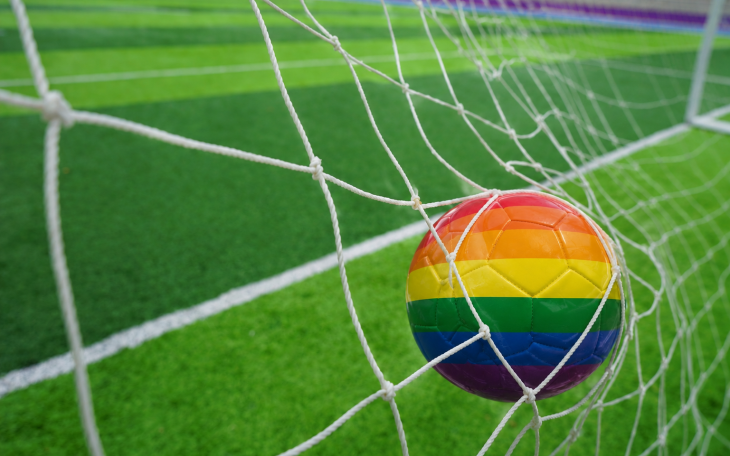

Fresh from England’s sweet victory over Croatia and the 2026 World Cup in full swing, football once again finds itself at the centre of conversations that extend well beyond the pitch. As the sport’s biggest offering, the tournament also becomes a focus for debates that stretch far beyond football itself, onto which wider questions of culture and identity are projected.
So it is with the tournament’s designated “Pride Match”. First announced by FIFA in December and scheduled to coincide with Seattle’s Pride celebrations on 28 June, the fixture has been the topic of discussion since being announced. Pairing two nations – Iran and Egypt - where homosexuality remains criminalised, discourse has frequently moved beyond the game itself and into broader questions on what such moments signify.
Football has long relied on highly visible campaigns to signal inclusion, with the Premier League’s Rainbow Laces campaign serving as perhaps the most recognisable example. Few would deny it has broadened awareness and helped normalise conversations around LGBTQ+ identities in the game, yet it has equally become part of a recurring criticism of symbolic gestures often moving faster than the cultures they are meant to reflect.
Elite men’s football still sits uncomfortably within that gap. Beneath the campaigns and public commitments, commentary regularly notes how it remains strikingly devoid of openly LGBTQ+ players - a disparity only sharpened by other parts of football such as the women’s game, where representation is far more visible and often exists without requiring special emphasis. As put recently by England women’s captain, Leah Williamson, the barriers facing male players considering coming out remain substantial, helping explain why said disparity persists.
Advertising has always lived with a gap between message and reality, and in many ways depends on it. The most effective campaigns persuade audiences that what is being communicated is already true, at least in part, beyond the frame of the campaign itself. When that gap becomes too wide, though, scepticism is almost inevitable. Be it Rainbow Laces, club campaigns, or social media activations, all can be read as either progress or performance depending on whether the audience believes the underlying culture has moved with them.
It’s arguably why the Pride Match has travelled beyond sport and into wider discussion - not because it is the most important fixture of the tournament for many, but because it exposes a question football has never fully answered for itself. Supporters read it as an expression of inclusion on the sport’s biggest stage, while cynics see an attempt to project a set of values onto a global tournament that brings together countries with very different social and political contexts. Both reactions, in their own way, point to the same underlying fact: representation in football still carries symbolic weight as it is not yet fully settled.
Until that gap closes, visibility will continue to matter. Less so as proof that change has arrived, but as a mirror of where it still hasn’t.
What to read next
Browse below for the latest news, insights and thought leadership from our team of experts

The art of the teal

Pay to stay: can England’s mayors follow Manchester’s lead and turn a ‘tourist tax’ into growth?
All change on local government reorganisation

From drought to disruption: Why adaptation matters now

Australia's AI chart crackdown signals a wider shift in trust and disclosure

From Waiting for Godot to winning trust: Communications lessons from IPEM 2026

Farage, Burnham, and the battle for authenticity
What Aristotle can tell us about corporate statements