Oil, rates, and AI: What is really driving gold and silver
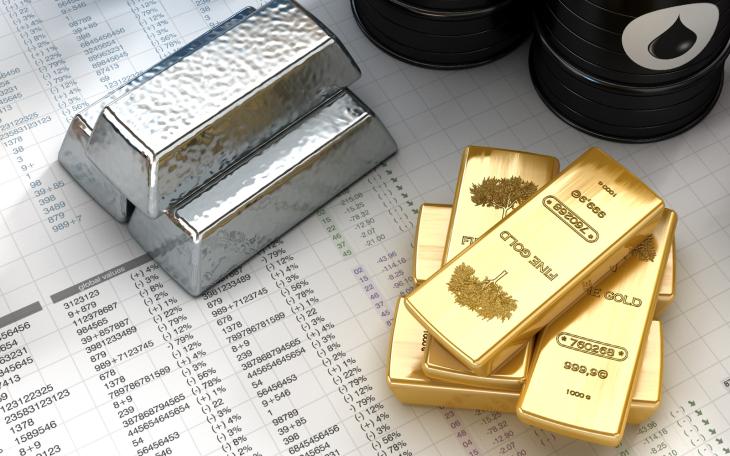

Working in Hatton Garden, it’s hard not to glance at something shiny on the way out to Leather Lane Market. The prices may be out of reach, but they raise a more interesting question: what are they telling us?
Traditionally, gold and silver have been reliable signals of fear. In periods of geopolitical stress, investors move out of riskier assets and into precious metals, pushing prices higher. This pattern held through late 2025 and early 2026, as tariff tensions and instability drove both metals to record levels.
But recent events have exposed the limits of that narrative.
During the Iran conflict, price movements were less predictable. Gold did not rise consistently with escalation and even strengthened following a ceasefire announcement, suggesting markets are reacting less to events and more to positioning.
A key shift is that broader economic factors now matter more than ‘safe haven’ demand. Rising oil prices are pushing up inflation, making rate cuts less likely. Higher rates make gold less attractive as it does not pay interest. At the same time, a stronger US dollar has made gold more expensive for international buyers, weighing on demand.
Liquidity is also playing a bigger role. In volatile markets, investors prioritise access to cash, meaning even safe-haven assets can be sold. Gold’s liquidity makes it one of the easiest assets to offload, so it can fall even when risk is rising.
Silver is beginning to tell a different story. While still partly defensive, it is increasingly driven by industrial demand, particularly from electrification, AI hardware and electric vehicles. That structural demand is reshaping its role, making it more sensitive to economic cycles and less tied to risk sentiment.
Softer consumer demand adds another layer, with cost-of-living pressures and last year’s price surge weighing on jewellery purchases.
The result is a more complex picture. Precious metals are no longer a straightforward barometer of global anxiety. Their prices reflect a mix of interest rates, currency strength, energy markets, liquidity and industrial demand.
Gold still plays a defensive role, but its short-term moves are increasingly dictated by macro conditions. Silver, by contrast, is becoming more cyclical, reflecting the trajectory of technology and industrial growth.
If gold once told us how worried the world was, it is now telling us something more nuanced: not just what investors fear, but how they are forced to respond.
In an ever-shifting political and economic landscape, 2026 will test whether these assumptions still stand, or just how much the rules have changed.
What to read next
Browse below for the latest news, insights and thought leadership from our team of experts

Britain’s weather obsession has just got serious

Should we be developing buildings for people or computers?

Rhetoric versus reality in today's politics
The high price of hyperbole

Planning policy update puts transport and community at the heart of good growth
The nuclear question facing the new government

Closed loops, open questions: Burnham’s data centre challenge
The S&P 500 has had an amazing quarter but is it a safe bet?