UKREiiF 2026: Five key takeaways
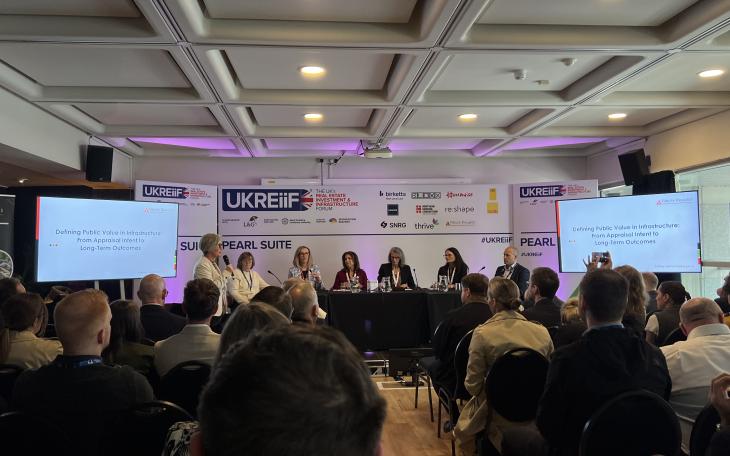

UKREiiF celebrated its fifth anniversary this week, having rapidly grown to become the UK’s biggest real estate conference by far. On its fifth birthday, here are five takeaways from the ground.
1. The mood: business as usual
Sentiment was neither especially bearish nor bullish. While most agreed confidence has softened thanks to geopolitical uncertainty since January, investors remain committed to cracking on and deploying capital into the right projects. With black swan events becoming more frequent, discussions have shifted from ‘when’ we see recovery to ‘how’ individual projects are delivered. As one CEO of a major living firm said, “the market has plenty of sunny spells, but is more prone to sudden downpours; they don’t always last long, but you need your umbrella ready to go about your day.”
2. Build-out, not planning is now the biggest barrier to new homes delivery
Unveiled at UKREiiF, SEC Newgate’s National Planning Barometer 2026 – based on a survey of local councils – revealed that the government’s planning reforms are showing early signs of positive impact. Almost two years into Labour’s programme of planning reform, around one in three planning committee members across England say they have seen an increase in the number of homes being consented in their local authority. Most at UKREiiF agreed delivery is increasingly being held up by barriers that arise post‑consent, including slow build‑out rates, infrastructure constraints, and viability challenges. The planning system itself isn’t the main problem anymore.
3. A meeting place for the whole industry
At my first UKREiiF, I was keen to see first hand how it brought the market together. Was it, as some had told me, dominated by local authorities? The answer: a resounding no. I saw a massive marketplace connecting. Yes, plenty of it was the public sector connecting with the industry, but there was much more as well.
I heard one major international institutional investor say something comfortingly positive: we may feel we’re in an unstable environment in the UK, but we fare well against other nations behind only Sweden and Germany on their risk assessment screens. The UK still offers the transparency, market size and liquidity that investors crave, and perhaps that’s why more investors were here. Living sector projects, especially, offer the scaled long-term investments pension funds need, and delivery partnerships between local authorities, local government pension funds, and other investors are central to getting them off the ground. UKREiiF will surely have been a breeding ground for these more than ever this year.
4. “Viability”: the word of the week?
Viability was arguably the word of the week; it was highlighted on many panels and private conversations as the biggest constraint to unlocking projects with development and finance costs consistently cited over valuation or occupier demand. There were calls for government industrial strategies, such as the AI Opportunities Action Plan, to be more joined up with the planning system, and for the industry’s storytelling ability to improve so local communities understand better what projects mean for them. Allowing the best viable projects from data centres to housing to get permission and get built.
5. The Wi-Fi was terrible
Wi-Fi outages saw LinkedIn ads being swapped for photos of new contacts’ badges, and printed conference programmes quickly running low. UKREiiF spokespeople have since said they think the outages were down to a cyberattack - a symbolic reminder that, despite unexpected events, the industry carries on, and successfully.
What to read next
Browse below for the latest news, insights and thought leadership from our team of experts
It’s about housing, stupid

Budget 2026: What’s in store for developers?
Delegation Nation
Reframing Britain’s Brexit debate

The missing sector in Britain's growth strategy

Pacific Pre-COP31: Testing the waters ahead of Turkey

How communications drives deal outcomes

Vibes win the click. Only substance wins the trust.